1,019 people live in Carmel Highlands, where the median age is 64 and the average individual income is $133,358. Data provided by the U.S. Census Bureau.
Total Population
Median Age
Population Density Population Density This is the number of people per square mile in a neighborhood.
Average individual Income
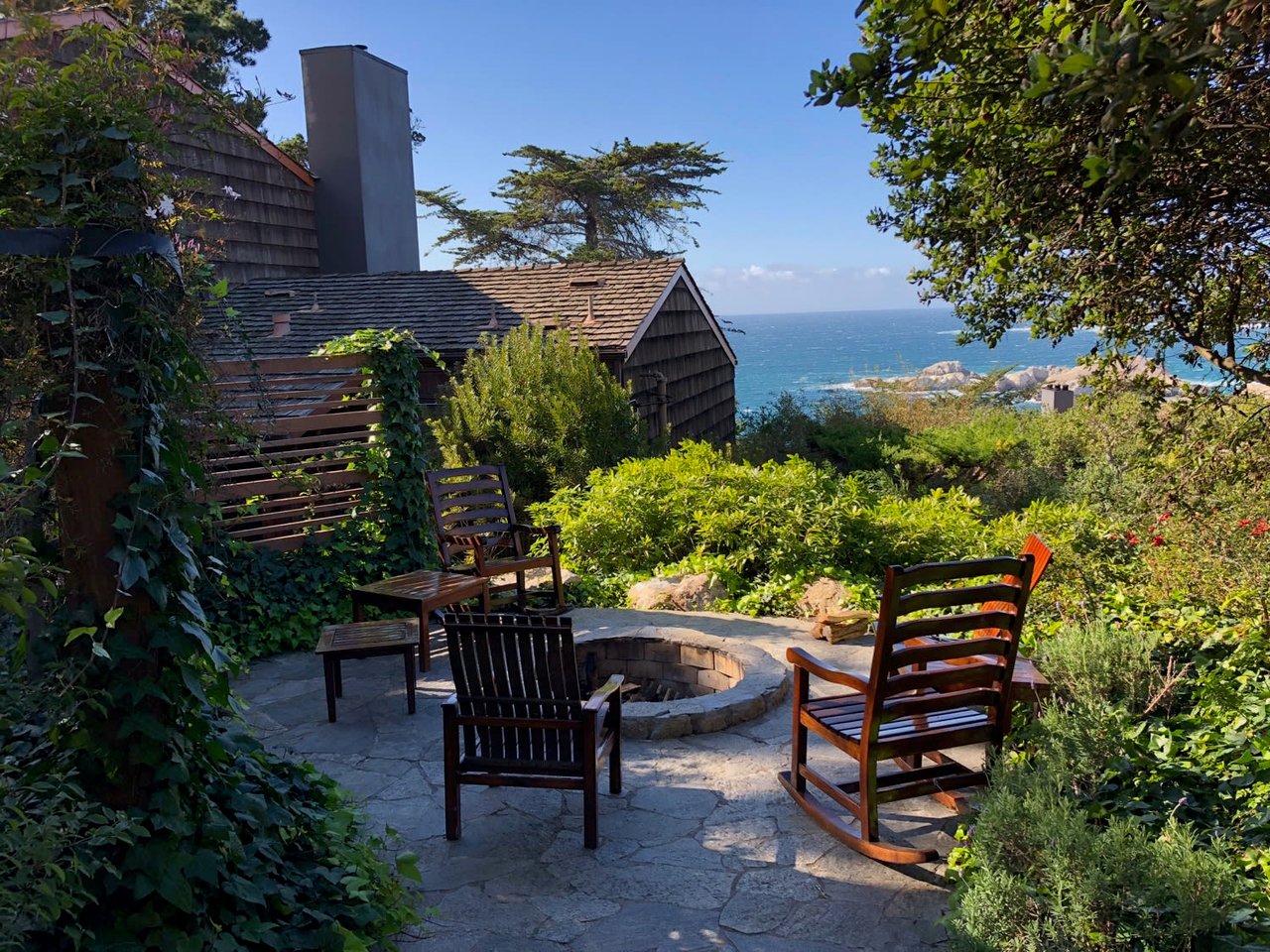
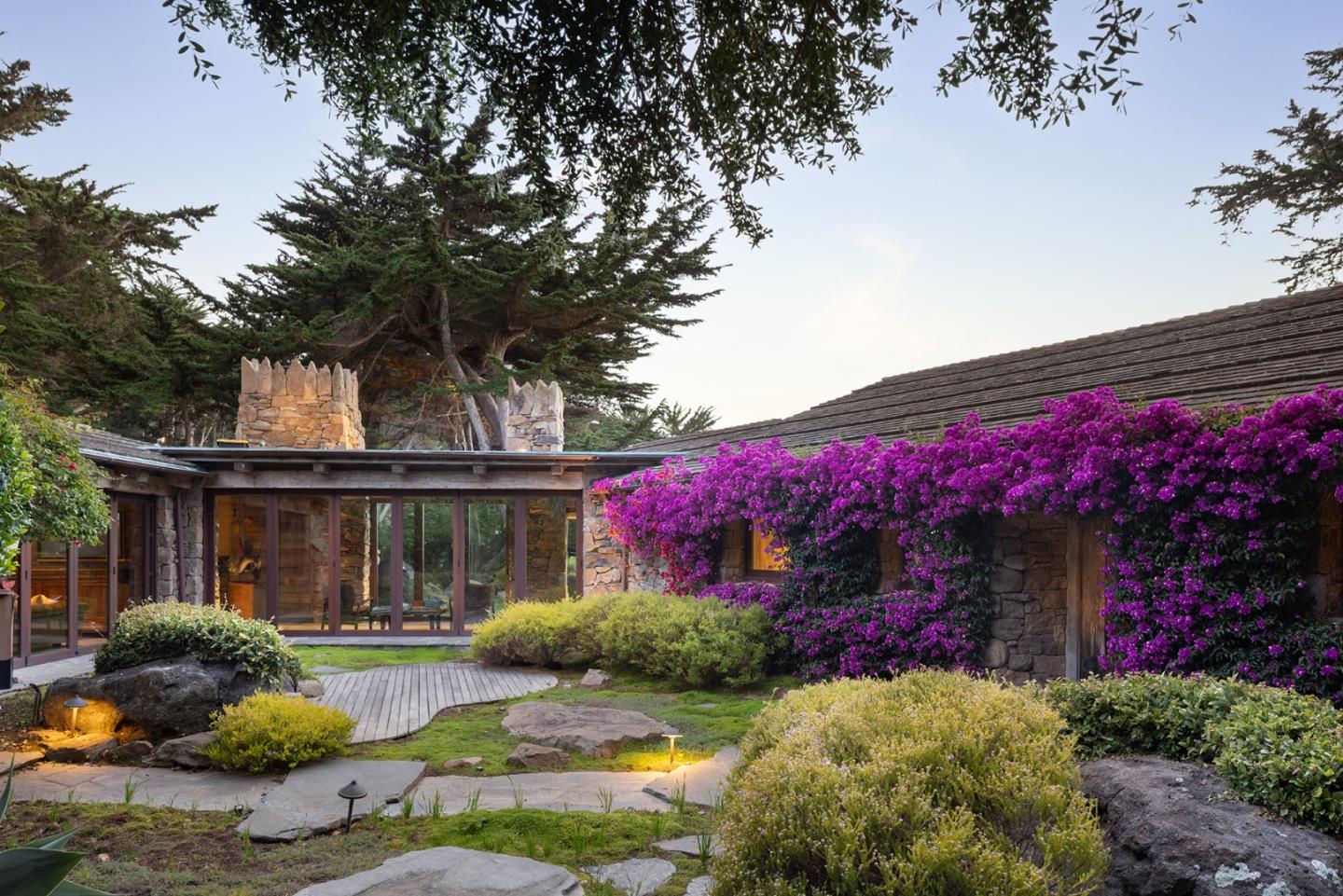
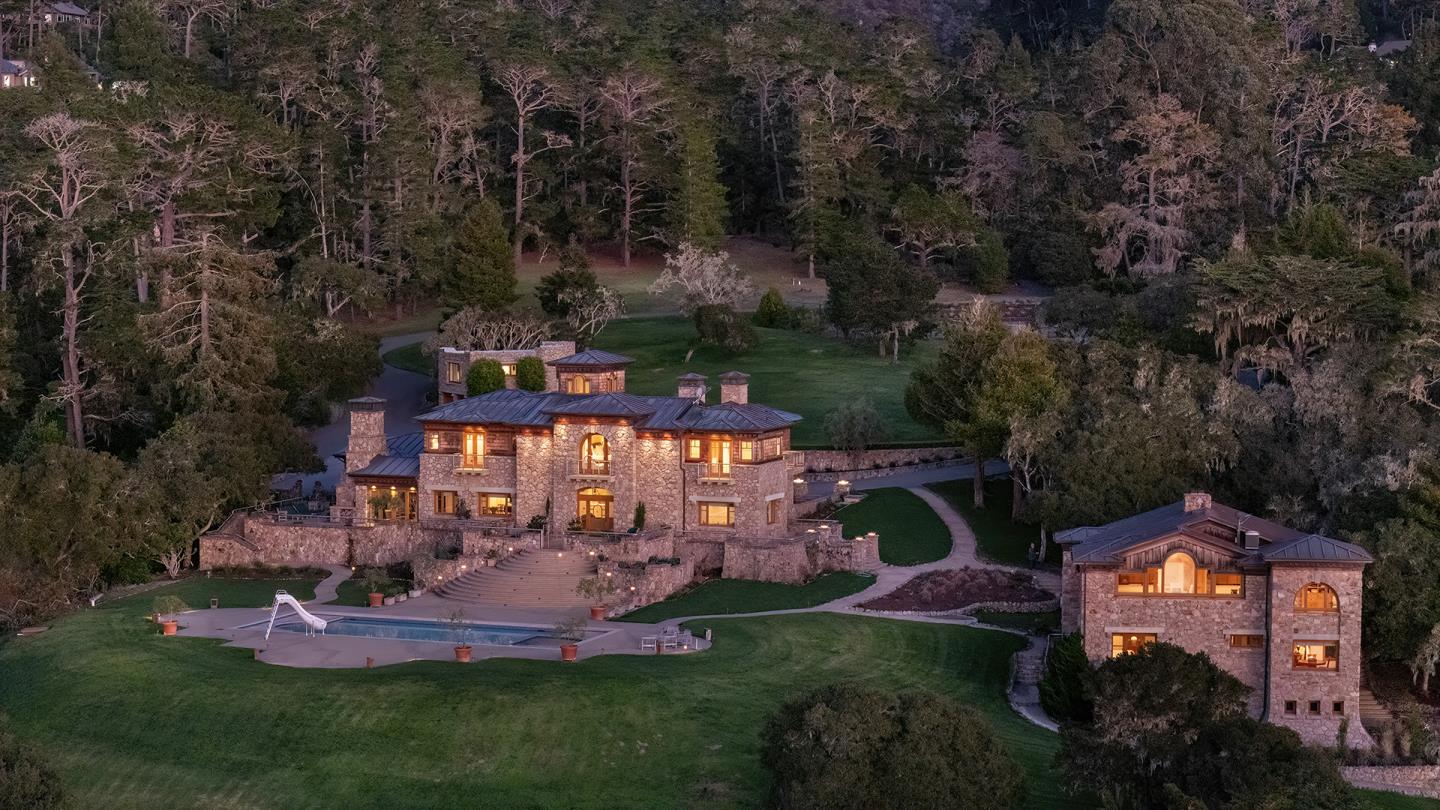
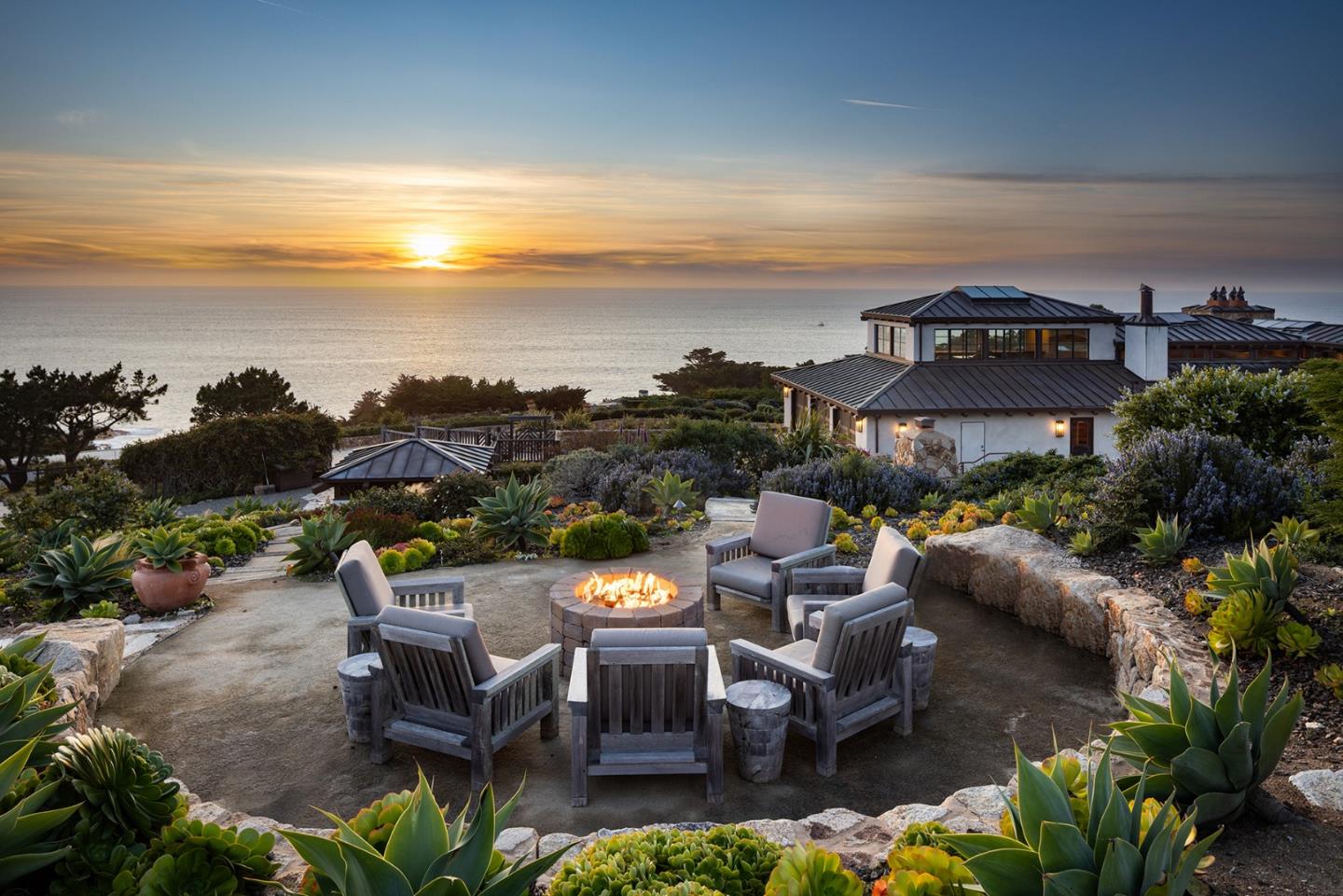
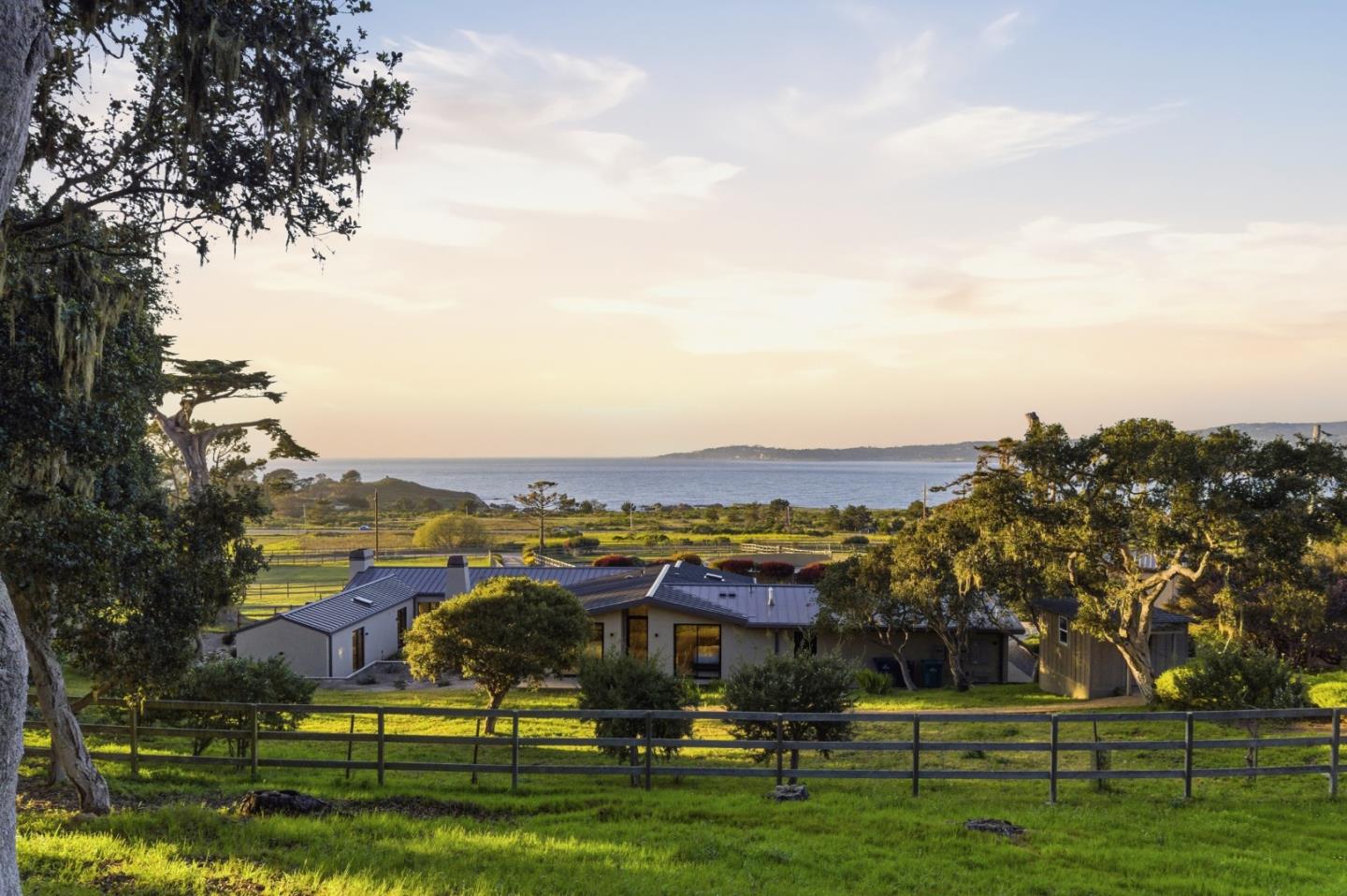
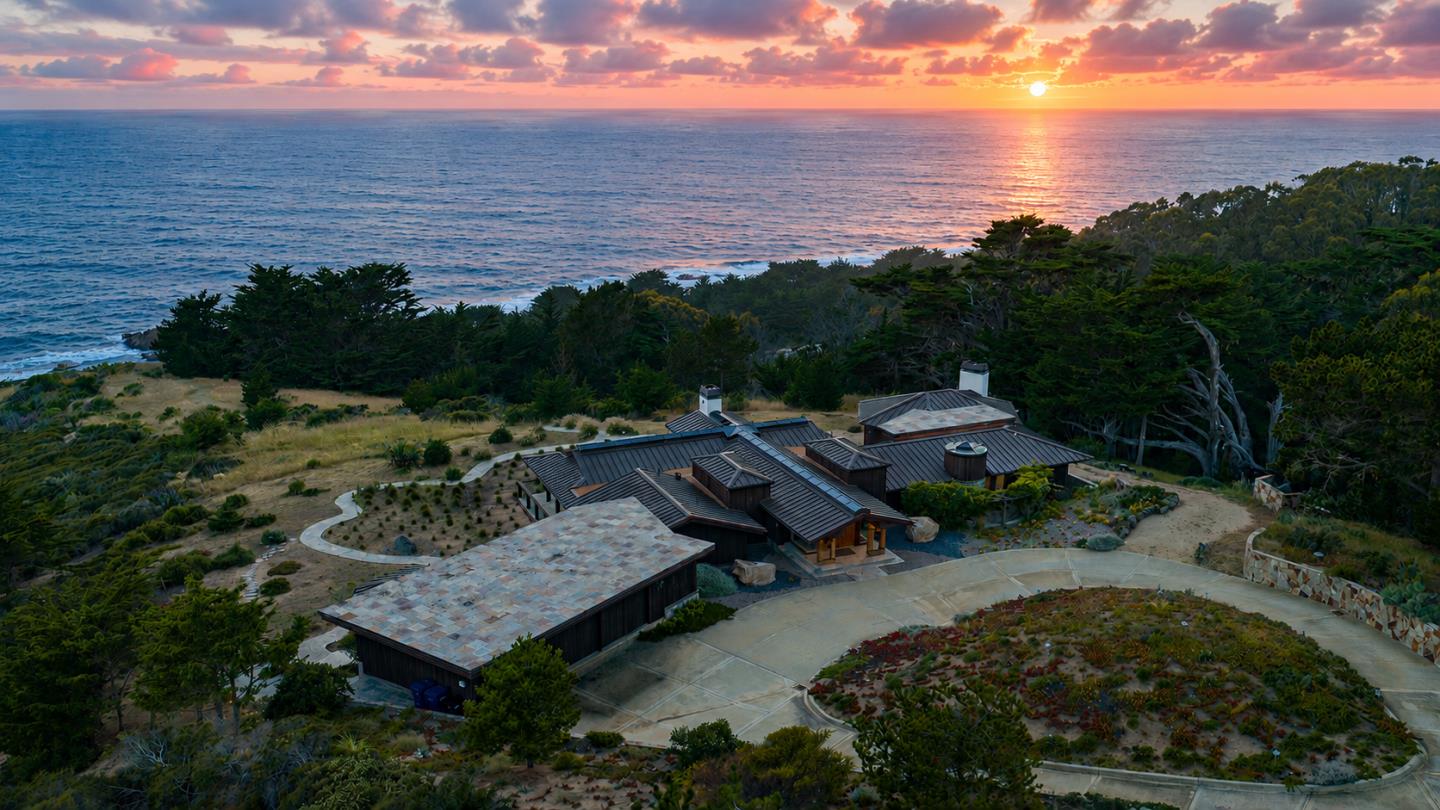
Carmel Highlands is one of the most visually dramatic residential areas on the Monterey Peninsula. Located south of Carmel along Highway 1, it is defined by coastal bluffs, elevated ocean views, and hillside parcels that often prioritize privacy and natural landscape over neighborhood density.
Unlike Carmel-by-the-Sea or Pacific Grove, Carmel Highlands is not a traditional town center. It is a collection of coastal and hillside residential enclaves shaped by topography, ocean exposure, and environmental oversight.
Below are the most common questions buyers and sellers ask when evaluating Carmel Highlands real estate.
Carmel Highlands is a view-driven, terrain-influenced coastal market.
Property values are heavily impacted by:
Whitewater versus distant ocean views
Bluff-front versus elevated inland positioning
Structural integration with hillside terrain
Access from Highway 1
Privacy from neighboring parcels
Inventory is typically limited, and properties are highly individualized. There are no tract-style neighborhoods — nearly every home sits on a unique site with different exposure, wind patterns, and view orientation.
Because of that variability, pricing must be evaluated property by property rather than by broad averages.
Ocean views are central to the Carmel Highlands market — but not all views carry the same weight.
There is a material difference between:
Direct whitewater views
Elevated panoramic coastline views
Filtered or partial views
Views subject to seasonal fog patterns
In addition, some properties sit on exposed bluffs with dramatic proximity to the water, while others are set back on wooded hillside parcels with broader but more distant sightlines.
Buyers should also consider wind exposure and structural positioning, as homes closer to the bluff may experience more coastal weather impact.
A meaningful portion of Carmel Highlands ownership is discretionary or second-home driven.
The area attracts buyers seeking:
Privacy
Architectural distinction
Dramatic natural surroundings
Separation from village density
However, there are also full-time residents, particularly those who value the quiet and natural environment.
Because demand includes discretionary buyers, transaction volume can fluctuate with broader economic conditions. Prime view properties tend to retain stronger long-term positioning.
Topography is one of the defining features of Carmel Highlands.
Many parcels involve:
Steep driveways
Multi-level architectural design
Hillside foundations
Terraced landscaping
Limited flat outdoor space
Ease of access, parking, and structural engineering vary significantly from property to property.
Buyers should evaluate:
Road conditions
Turnarounds
Garage placement
Structural integrity and drainage
Feasibility for future renovation may depend heavily on slope and soil conditions.
Yes.
Many Carmel Highlands properties fall within:
California Coastal Commission jurisdiction
Environmentally sensitive habitat areas
Bluff setback requirements
Height and lot coverage restrictions
Remodeling, expansion, or new construction can require layered approvals.
Because the area prioritizes preservation of coastal views and environmental integrity, development timelines can be longer than buyers expect. Early feasibility review is strongly recommended if structural changes are anticipated.
The distinction is primarily environmental and lifestyle-based.
Carmel-by-the-Sea emphasizes:
Walkability
Village architecture
Cottage-scale lots
Proximity to restaurants and shops
Carmel Highlands emphasizes:
Dramatic coastal landscape
Elevation and privacy
Larger, more varied parcels
Architectural individuality
Buyers often consider both markets before deciding whether they prioritize village accessibility or secluded coastal positioning.
Carmel Highlands includes luxury properties, particularly bluff-front homes and architecturally significant residences.
Luxury here is defined by:
View dominance
Structural integration with terrain
Privacy
Architectural scale
Ocean proximity
However, the market also includes older homes on interior parcels that trade at more moderate tiers relative to oceanfront properties.
The market is segmented primarily by view quality and positioning rather than square footage alone.
Because a portion of demand is discretionary and second-home oriented, transaction volume can fluctuate with broader financial conditions.
However, properties with irreplaceable positioning — particularly bluff-front parcels with protected views — tend to demonstrate stronger long-term resilience.
Limited development capacity and environmental constraints support long-term supply discipline.
Micro-location and view quality remain the dominant drivers of value.
Preparation is particularly important due to terrain and environmental exposure.
Sellers benefit from:
Structural inspections, especially related to hillside integrity
Documentation of bluff setback compliance
Clear disclosure of drainage systems
Exterior maintenance addressing coastal exposure
Professional photography capturing scale and orientation
Because buyers are often highly detail-oriented and architecturally sensitive, transparency and technical clarity support stronger outcomes.
Carmel Highlands is defined by terrain and ocean.
Its appeal lies in dramatic coastline, privacy, and architectural individuality rather than density or commercial proximity.
Because parcels are unique and environmental oversight is significant, long-term value is driven primarily by irreplaceable view positioning and structural integrity.
For buyers and sellers, understanding land characteristics, exposure, and permitting frameworks is as important as understanding interior square footage.
There's plenty to do around Carmel Highlands, including shopping, dining, nightlife, parks, and more. Data provided by Walk Score and Yelp.
Explore popular things to do in the area, including Odle Larry, Point Lobos SNR - Whalers Cove, and Palo Corona Regional Park.
| Name | Category | Distance | Reviews |
Ratings by
Yelp
|
|---|---|---|---|---|
| Shopping | 1.65 miles | 0 reviews | 0/5 stars | |
| Active | 0.99 miles | 0 reviews | 0/5 stars | |
| Active | 1.85 miles | 10 reviews | 4.5/5 stars | |
|
|
||||
|
|
||||
|
|
||||
|
|
||||
|
|
||||
|
|
Carmel Highlands has 408 households, with an average household size of 2. Data provided by the U.S. Census Bureau. Here’s what the people living in Carmel Highlands do for work — and how long it takes them to get there. Data provided by the U.S. Census Bureau. 1,019 people call Carmel Highlands home. The population density is 372 and the largest age group is Data provided by the U.S. Census Bureau.
Total Population
Population Density Population Density This is the number of people per square mile in a neighborhood.
Median Age
Men vs Women
Population by Age Group
0-9 Years
10-17 Years
18-24 Years
25-64 Years
65-74 Years
75+ Years
Education Level
Total Households
Average Household Size
Average individual Income
Households with Children
With Children:
Without Children:
Marital Status
Blue vs White Collar Workers
Blue Collar:
White Collar: