15,003 people live in Pacific Grove, where the median age is 50.3 and the average individual income is $66,784. Data provided by the U.S. Census Bureau.
Total Population
Median Age
Population Density Population Density This is the number of people per square mile in a neighborhood.
Average individual Income
Those cultural markers are more than slogans — they help explain how the local real estate market functions.
Below is a long-term perspective on buying and selling in Pacific Grove.
Pacific Grove is a geographically constrained, primarily residential coastal market with relatively low turnover and strong owner occupancy.
The town is largely built out. There is limited opportunity for large-scale development, and much of the housing stock reflects early- and mid-20th-century architecture. Because of that, inventory tends to remain tight in most market cycles.
The identity of “America’s Last Hometown” is rooted in:
Walkable streets
Active neighborhood engagement
Strong community participation
Pride of ownership
That community continuity contributes to pricing stability over time.
Pacific Grove is home to a protected Monarch butterfly sanctuary, where migrating butterflies winter each year.
While the sanctuary itself does not directly influence property values in a transactional sense, it reflects something important about the town:
Environmental preservation is taken seriously.
Open space and coastal ecology are protected.
Development decisions often weigh long-term impact.
Buyers considering property near protected areas should understand that environmental overlays and conservation priorities are part of the broader planning philosophy in Pacific Grove.
In other words, the butterfly designation symbolizes the town’s preservation-oriented mindset — which influences everything from tree protection to coastal access.
Yes — more so than some neighboring Peninsula markets.
Unlike Carmel-by-the-Sea, which has a significant second-home ownership base, Pacific Grove maintains a higher percentage of year-round residents.
This contributes to:
Consistent school enrollment
Active civic involvement
Stable neighborhood patterns
Less seasonal vacancy
The “Last Hometown” identity is reinforced by this residential continuity.
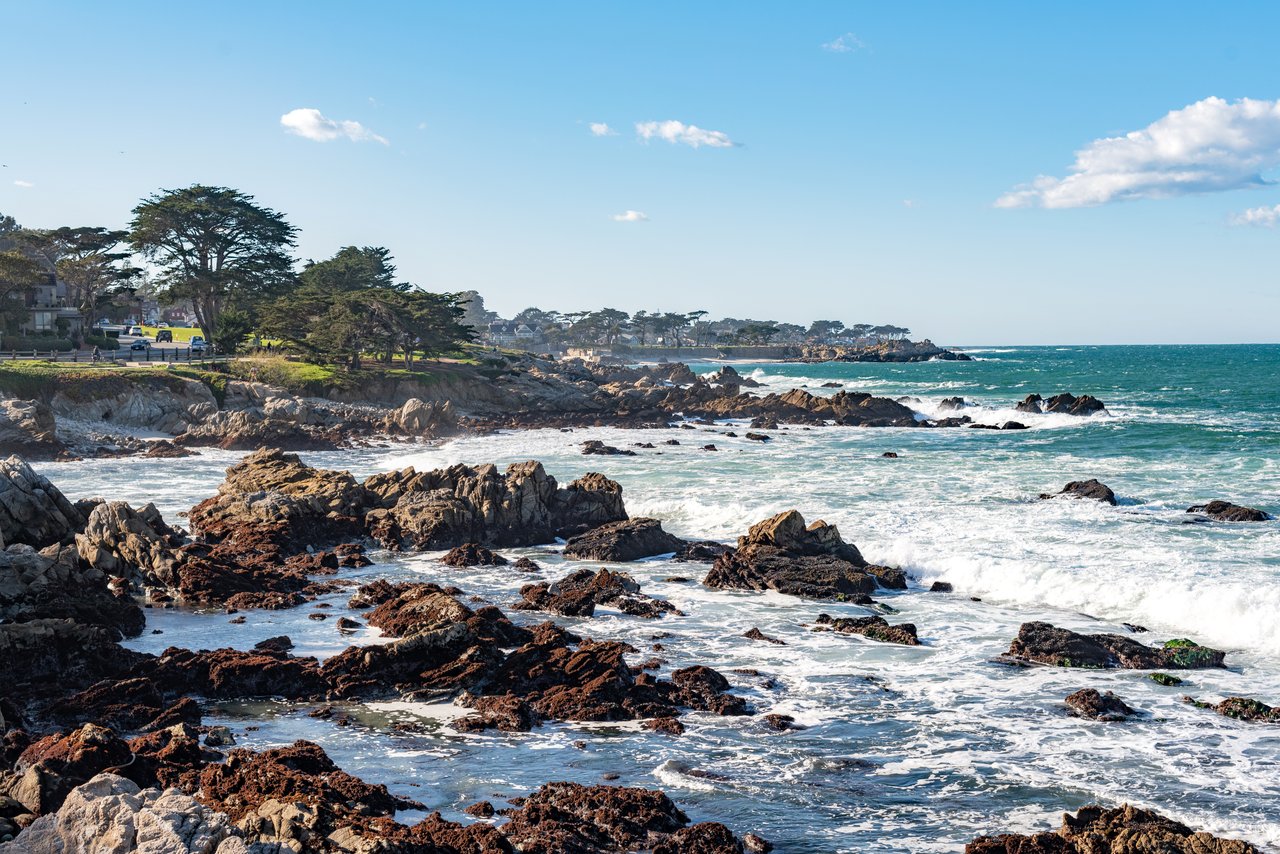
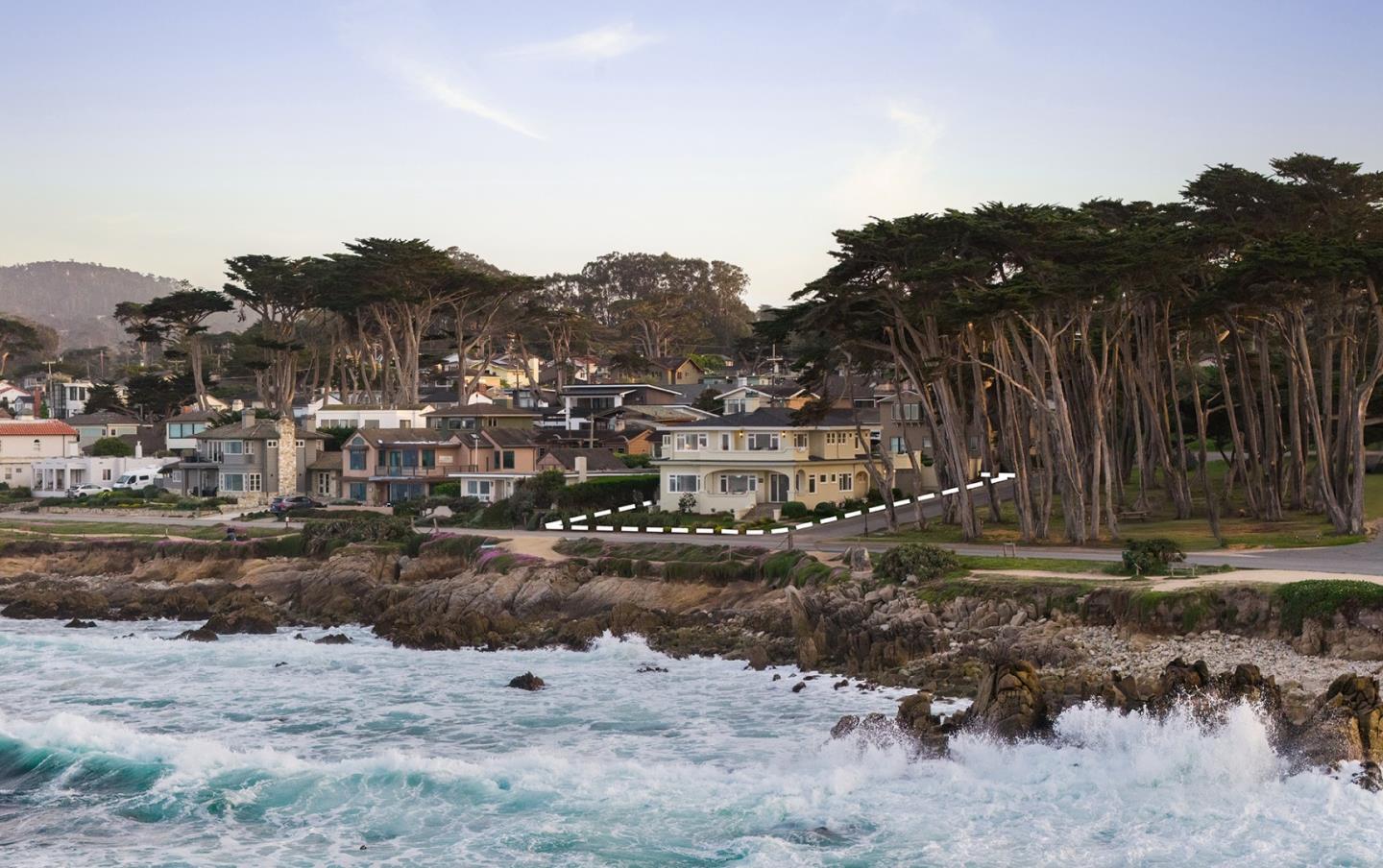
Coastal access is a defining feature of the town.
Properties along Ocean View Boulevard and near Asilomar command strong interest due to:
Direct ocean frontage
Access to the coastal trail
Bluff-top positioning
However, many buyers value walkability to downtown Lighthouse Avenue, schools, and neighborhood parks just as highly as ocean views.
Unlike some Peninsula markets where view premiums dominate pricing, Pacific Grove balances coastal access with neighborhood cohesion.
Each Peninsula market serves different priorities.
Carmel-by-the-Sea is known for architectural charm, second-home ownership, and proximity to Ocean Avenue.
Monterey offers broader housing diversity, including condominiums, income properties, and varied price tiers.
Pacific Grove emphasizes residential character, lower commercial density, and strong community identity.
Pacific Grove is not positioned above or below its neighbors — it offers a distinct blend of coastal environment and full-time neighborhood living.
Pacific Grove maintains:
Historic districts
Coastal zone overlays
Height and lot coverage regulations
Tree protection ordinances
Because the town values preservation — environmentally and architecturally — expansion potential can be limited compared to markets with larger parcels.
Buyers planning structural changes should review zoning and permit feasibility early in escrow.
That preservation mindset helps maintain long-term character, which in turn supports property values.
Pacific Grove tends to demonstrate steadier movement relative to resort-driven submarkets.
Because demand includes a significant base of primary residents, activity is less tied to purely discretionary second-home purchasing cycles.
Inventory constraints and geographic limits support long-term value retention.
As with all coastal markets, pricing varies by micro-location, condition, and proximity to the ocean.
Pacific Grove includes luxury properties — particularly along the coast — but it is better described as a high-demand coastal residential market rather than an exclusively luxury enclave.
Its appeal is rooted less in exclusivity and more in livability.
The “Last Hometown” identity reflects that positioning.
Preparation remains essential.
Because Pacific Grove buyers are often long-term residents or lifestyle-focused purchasers, sellers benefit from:
Maintaining architectural authenticity
Addressing deferred coastal exposure maintenance
Pricing accurately based on hyper-local comparable sales
Clearly disclosing zoning or historic overlays
Homes that reflect pride of ownership and align with neighborhood character typically perform best.
Pacific Grove’s dual identity — “America’s Last Hometown” and “Butterfly Town, U.S.A.” — reflects a community that prioritizes preservation, environmental stewardship, and residential continuity.
Those values influence planning decisions, development limitations, and neighborhood character.
For buyers and sellers, understanding that cultural foundation is as important as understanding square footage or price per foot.
In Pacific Grove, value is shaped not just by coastal location, but by community permanence.
There's plenty to do around Pacific Grove, including shopping, dining, nightlife, parks, and more. Data provided by Walk Score and Yelp.
Explore popular things to do in the area, including Pinnacle 365 by Power Market, The Perfect Crumb Bakery, and CandlEllis.
| Name | Category | Distance | Reviews |
Ratings by
Yelp
|
|---|---|---|---|---|
| Dining | 0.31 miles | 0 reviews | 0/5 stars | |
| Dining · $ | 0.38 miles | 313 reviews | 3.9/5 stars | |
| Shopping | 0.19 miles | 0 reviews | 0/5 stars | |
| Shopping | 0.28 miles | 7 reviews | 5/5 stars | |
| Active | 0.24 miles | 5 reviews | 5/5 stars | |
| Active | 0.24 miles | 0 reviews | 0/5 stars | |
| Active | 0.42 miles | 24 reviews | 4.5/5 stars | |
| Beauty | 0.28 miles | 0 reviews | 0/5 stars | |
| Beauty | 0.28 miles | 34 reviews | 4.9/5 stars | |
| Beauty | 0.28 miles | 1 review | 5/5 stars | |
| Beauty | 0.28 miles | 320 reviews | 4.7/5 stars | |
| Beauty | 0.29 miles | 8 reviews | 4.5/5 stars | |
| Beauty | 0.37 miles | 61 reviews | 3.6/5 stars | |
| Beauty | 0.4 miles | 5 reviews | 4.6/5 stars | |
| Beauty | 0.4 miles | 0 reviews | 0/5 stars | |
| Beauty | 0.4 miles | 9 reviews | 3.8/5 stars | |
| Beauty | 0.4 miles | 26 reviews | 4.8/5 stars | |
| Beauty | 0.4 miles | 5 reviews | 5/5 stars | |
| Beauty | 0.4 miles | 0 reviews | 0/5 stars | |
| Beauty | 0.41 miles | 9 reviews | 5/5 stars | |
| Beauty | 0.41 miles | 0 reviews | 0/5 stars | |
| Beauty | 0.41 miles | 3 reviews | 3.7/5 stars | |
| Beauty | 0.41 miles | 2 reviews | 5/5 stars | |
| Beauty | 0.42 miles | 2 reviews | 5/5 stars | |
|
|
||||
|
|
||||
|
|
||||
|
|
||||
|
|
||||
|
|
Pacific Grove has 6,988 households, with an average household size of 2.09. Data provided by the U.S. Census Bureau. Here’s what the people living in Pacific Grove do for work — and how long it takes them to get there. Data provided by the U.S. Census Bureau. 15,003 people call Pacific Grove home. The population density is 5,235 and the largest age group is Data provided by the U.S. Census Bureau.
Total Population
Population Density Population Density This is the number of people per square mile in a neighborhood.
Median Age
Men vs Women
Population by Age Group
0-9 Years
10-17 Years
18-24 Years
25-64 Years
65-74 Years
75+ Years
Education Level
Total Households
Average Household Size
Average individual Income
Households with Children
With Children:
Without Children:
Marital Status
Blue vs White Collar Workers
Blue Collar:
White Collar: