Locally Global: The Evolving Peninsula Food Scene
The Monterey Peninsula is resistant to change and purposeful with its eventual shifts—a trait that’s always been part of its appeal. The same has historically been true of its dining scene, where long-standing institutions and familiar favorites tend to define the landscape. Over the past year, however, shifts have become more numerous and wide-spread. Not in a way that feels disruptive, and not in a way that replaces what’s already here—but in a way that adds new flavorful layers. A handful of openings and reinventions are introducing a more curated, more global, and more experience-driven approach to dining on the Peninsula.
Nami (Monterey)
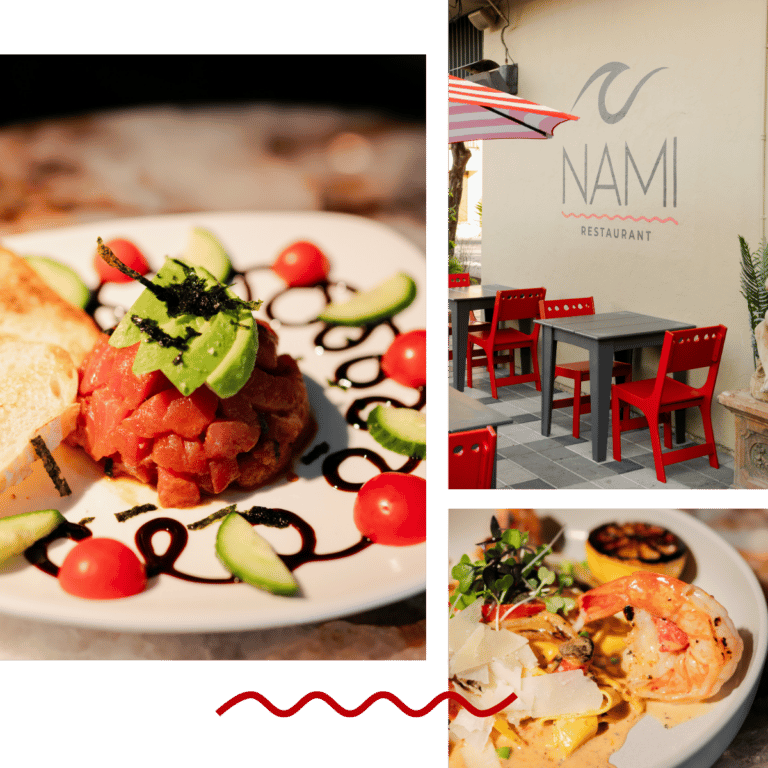
Photo courtesy of Nami Monterey.
At a well-known address on Alvarado Street, Nami represents one of the most visible examples of the food scene shift.
For years, that location was home to Cibo, a restaurant that felt rooted in tradition—comfortable, familiar, and consistent. What’s taken its place is something entirely different. Nami introduces a concept that blends Japanese influence with steakhouse and seafood elements, creating a menu and atmosphere that feel far more aligned with global dining trends than with Monterey’s historical norms.
But what’s most notable isn’t just the cuisine—it’s the intention behind it. The design, the pacing, and the overall experience all suggest a move toward a more contemporary standard of hospitality. It’s the kind of place that wouldn’t feel out of place in San Francisco or Los Angeles, yet it’s been thoughtfully adapted to fit within Monterey’s scale. That balance is important: it signals that the Peninsula isn’t trying to become something else, but rather evolving to meet the expectations of a clientele that increasingly spans multiple markets. For buyers who split their time between cities, places like Nami bring the familiarity of their other, often more urban communities.
The Caledonian (Pacific Grove)
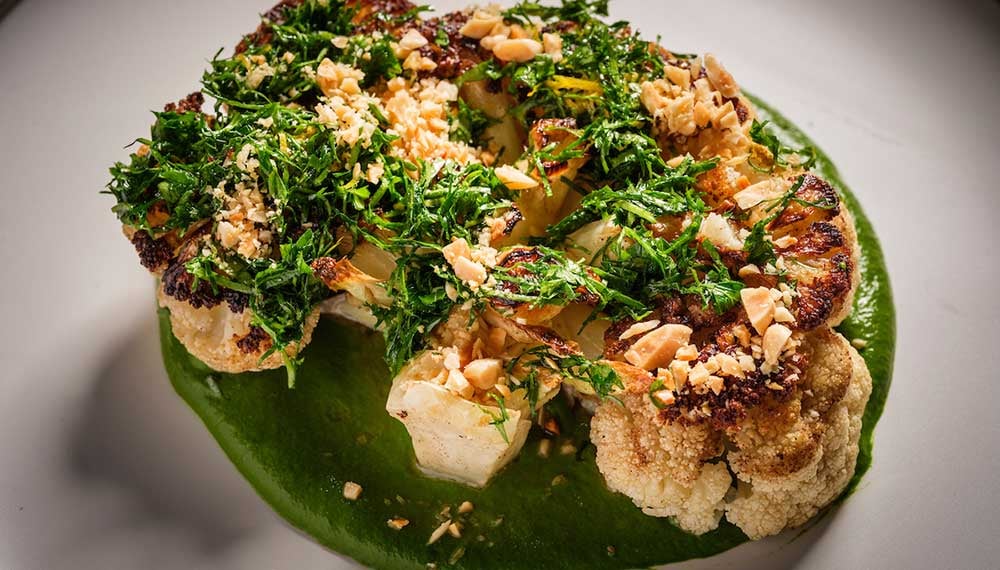
Photo courtesy of The Caledonian.
With the opening of the Kimpton Mirador Hotel, Pacific Grove has seen one of the more significant hospitality investments in recent years—and The Caledonian sits at the center of it.
What makes The Caledonian compelling is not just the quality of the food or the design of the space, but the role it plays within the broader experience. It feels integrated, thoughtful, and intentional, like its Monday menus that draw inspiration from the ingredients sourced from the weekly farmer's market right outside it's doors. Their efforts elevate how people experience long-standing Pacific Grove traditions and bring a fresh flair to a town often considered old-fashioned. It offers something more refined and modern, yes — but it doesn't feel out of place, giving both residents and visitors an elevated options that still feels laid-back and approachable.
This contemporary addition matters beyond the new flavors it brings — it contributes to a sense that the Peninsula is becoming less seasonal and more complete. A place where the same level of experience is available year-round for everyone, not just during peak tourist months. Over time, that shift influences not just where visitors dine, but also how locals live.
Ad Astra Atelier (Carmel Valley)
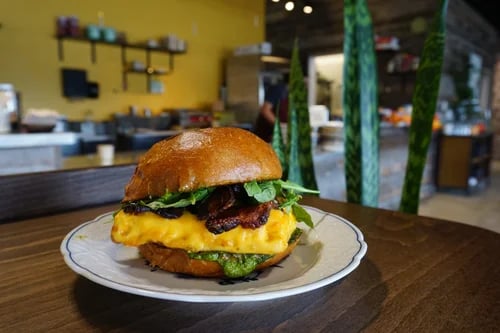
Photo courtesy of Ad Astra.
Carmel Valley has always had a distinct identity—more open, relaxed, and rural, often the draw for those who choose it over Carmel-by-the-Sea and Monterey. Ad Astra Atelier adds a new layer to that identity and makes it more complete.
Spend time at Ad Astra and it becomes clear that it’s more than a standard bakery. The space, the presentation, and the overall experience reflect a level of care and ambition that goes beyond the traditional expectations of a small-town, mom-and-pop shop. This is part of a broader trend: Carmel Valley is shrinking the gaps between urban and rural. Places like Ad Astra create a more modern rhythm — morning coffee, weekend brunch, and casual afternoons that reduce the frequency of trips to Carmel and Monterey, and allow residents of Carmel Valley find more of what they crave closer to home.
The difference between a place you visit occasionally and a place you build routines around is significant—and increasingly, Carmel Valley is becoming the latter.
Domaine Messier (Carmel)
Domaine Messier has taken the quintessential Carmel wine tasting experience further by incorporating the other essentials woven into the fabric of this town. Rather than focusing solely on the wine itself, Domaine creates a setting that blends wine, art, and design into a single, cohesive environment. The result feels less transactional and more immersive—less about a quick tasting, and more about an intentional, laid-back hangout.
That approach aligns so closely with Carmel’s identity, that it's surprising it took this long for someone to think of it. Carmel has always been a place where creativity, aesthetics, and atmosphere matter just as much as the product itself. Domaine Messier simply leans further into that idea, offering a version of the experience that feels more curated and contemporary. It also reflects a broader shift in how people engage with places like Carmel. Visitors and locals crave experiences that feel intentional and memorable, not just convenient and disposable; something that feels important to the community and part of what makes it so special. People don't want to read a brochure, they want to experience the lifestyle it portrays.
Alejandro’s (Monterey)
Alejandro’s is a great example of a quieter kind of evolution. It brings a renewed perspective to Monterey’s dining scene, offering something that feels both familiar and refreshed at the same time. Mexican food has been established in the community for a long time, but elevated forms have been rare and none have been this fresh. Alejandro's provides a style and execution of Mexican cuisine typical of communities in the Bay or L.A., something Monterey was lacking and has welcomed with raving reviews.
The menu and atmosphere strike a balance that’s increasingly important on the Peninsula—approachable, but still distinct. It’s the kind of place that works equally well for a casual evening or a more intentional night out, which is part of what makes it sustainable in a year-round community. The kind of place that is unique enough for a visitor to talk about back home but comfortable enough for a local to work into their date-night rotation.
Benny Walker’s (Coming Soon)
Looking ahead, Benny Walker’s is one of the more interesting openings on the horizon.
From the team behind Butter House, it’s expected to bring a more personal and expressive approach to breakfast and lunch—one that blends global influences, styles, and ideas in a way that reflects both the people behind it and the community it serves. That kind of individuality is becoming more prominent across the Peninsula. Rather than replicating familiar concepts, newer restaurants are increasingly pulling from global trends and ingredients to develop their own artistic identities. They feel less interchangeable, and more specific to the chefs behind the curtains.
If Benny Walker’s delivers on that, it will likely become one of those spots that locals gravitate toward early—and that visitors discover shortly after. The Filipino-American fusion has already proven successful at Butter House and is likely to be a very welcome addition to a downtown at the beginning of a renaissance.
Happy Girl Kitchen Co. (Pacific Grove)
Not every meaningful shift on the Peninsula comes in the form of something new — sometimes it’s about what the community chooses to preserve. Happy Girl Kitchen has long been a local staple known for its small-batch preserves, thoughtful sourcing, and a style of food that feels deeply connected to the region. It’s the kind of place that becomes part of people’s routines over time, woven into everyday life rather than defined by a single visit.
Recently, that connection became something more visible. The community came together in a significant way to support the owners in purchasing their building—an effort aimed at ensuring the long-term future of the business. That kind of response says a lot: at a time when new concepts and evolving experiences are shaping the Peninsula, there’s an equally strong desire to protect what already makes it special. Places like Happy Girl Kitchen aren’t just appreciated—they’re valued as part of the identity of the community itself.
In many ways, that points to what the future holds. The restaurants and businesses that will truly succeed here won’t just be the newest or the most ambitious—they’ll be the ones that become part of the fabric of the community. The ones that build relationships, earn loyalty, and grow alongside the people who live here. That balance between thoughtful evolution and intentional preservation is what continues to define the Monterey Peninsula in a way that feels both rare and enduring.
A Subtle Shift—But a Meaningful One
Individually, each of these openings and reinventions might feel incremental. None of them, on their own, redefine the Peninsula. But collectively, they point to something more significant.
The Monterey Peninsula is evolving — not by replacing what makes it special, but by adding to it. Layering in experiences that reflect how people live today, while still preserving the character that drew people here in the first place.
More global influence.
More intentional design.
More emphasis on experience over formality.
But perhaps most importantly, a renewed focus on connection, to place, to community, and to the people who call it home. The businesses that endure here have always understood that. And as new restaurants and concepts continue to arrive, the ones that truly resonate will be those that make that commitment. It’s a quieter kind of progress—but over time, it reshapes how a place feels.
And increasingly, that feeling is exactly what people are looking for when they decide to call the Peninsula home.